

Discovering Unfollowers How to Check Who Unfollowed You on Instagram
How to Check Who Unfollowed You on Instagram
If you’re an active Instagram user, you may have wondered: how to check who unfollowed you on instagram? This interest typically arises when you notice an abrupt drop in your follower count. While Instagram does not notify users about unfollows, there are various methods and tools that can help you stay informed. This article will guide you through the process of identifying those who have unfollowed you, discussing both manual methods and the use of third-party applications.
Understanding Instagram’s Policy on Unfollows
Instagram is a social media platform that prioritizes user privacy. Consequently, the app does not provide any built-in features for users to see who has unfollowed them. This policy ensures a better experience while promoting healthy social interactions. Unfollow notifications would likely lead to unnecessary drama and conflict among users. However, many individuals still seek to verify their follower counts and discover who has decided to disengage.
Methods to Check Unfollowers on Instagram
1. Manual Checking
The most straightforward method to identify unfollowers on Instagram is by manually checking your follower list. Here’s how you can do it:
- Open your Instagram app and navigate to your profile.
- Tap on the “Followers” section to view the list of people following you.
- Take note of your most recent followers or those you frequently engage with.
- To compare, you may also want to have a record of your previous follower count, or note the usernames of individuals you regularly interact with.
- Periodically, revisit your followers to see if any familiar names are missing.
This method can be time-consuming, especially if you have a large following. However, it allows direct engagement with your follower list, and you can identify missing names based on your previous awareness of them.
2. Using a Spreadsheet
If you want to keep a more organized track of your followers, consider using a spreadsheet.
- Create a spreadsheet using Google Sheets or Excel.
- Every week or month, document your follower count and the usernames of your current followers.
- Use this data to compare against future records. Any discrepancies will reveal who has unfollowed you over time.
This method provides a more comprehensive overview and is much easier to manage over time compared to manual tracking.
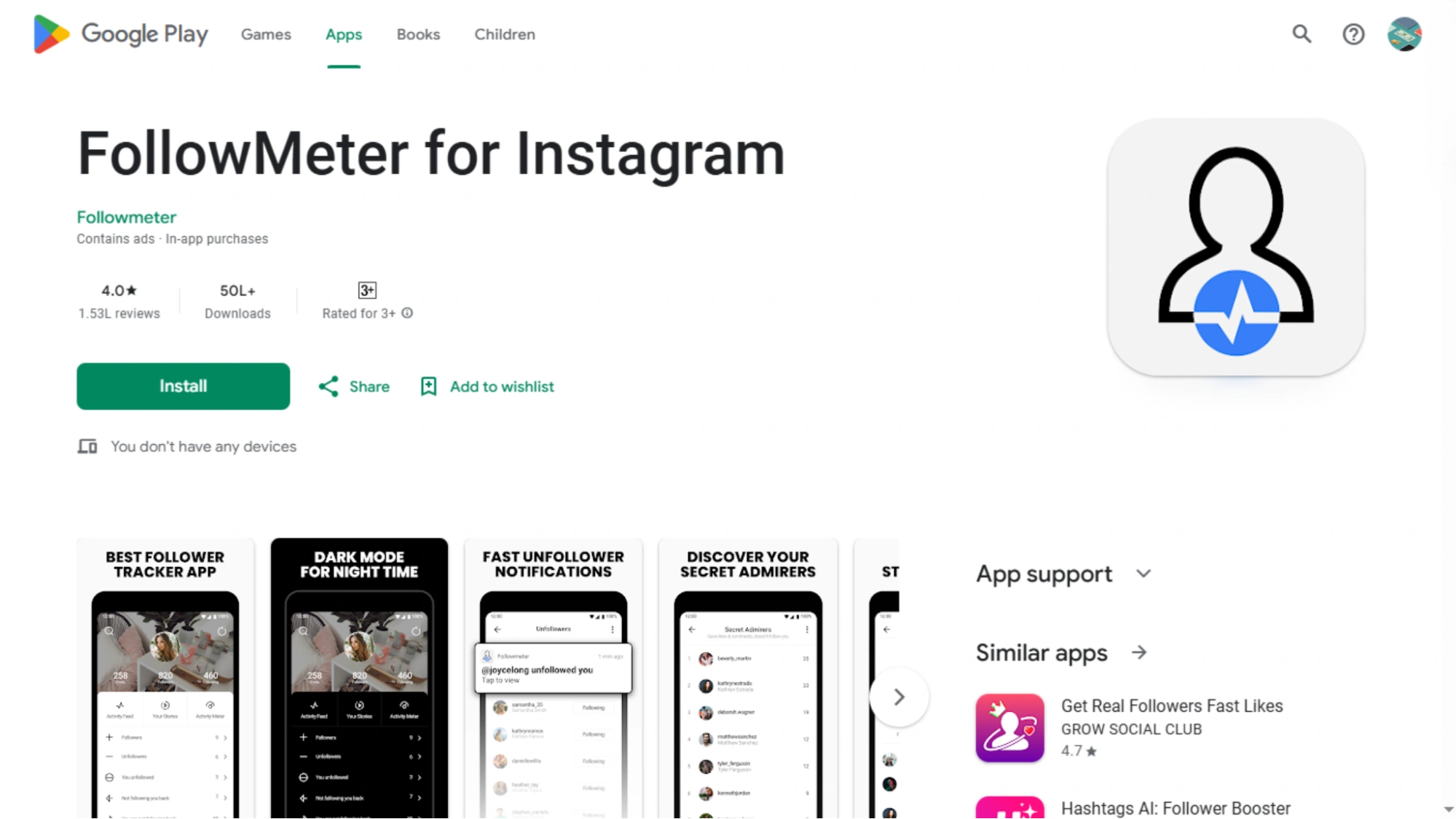
3. Third-Party Applications
There are several apps available that can help you track unfollowers automatically. Here’s how to use them:
- Download a third-party app from the App Store or Google Play Store, such as “Reports” or “Unfollow Tracker.”
- Give the app permission to access your Instagram account (note: be cautious about your data privacy).
- Monitor the reports generated by the app, which will often show you who has unfollowed you, as well as those who aren’t following you back.
One popular tool among Instagram users is the Reports Unfollow Tracker, which allows you to view detailed analytics regarding your followers.
Best Practices for Managing Your Follower Count
Once you’ve identified those who have unfollowed you, consider the following best practices to maintain a healthy relationship with your followers:
- Engagement: Regularly interact with your followers through comments and direct messages. This helps boost connection and reduces the chance of unfollows.
- Content Quality: Ensure that the content you share stays relevant and engaging to your audience. Consistently high-quality posts encourage users to remain followed.
- Acknowledge Feedback: If you receive comments or messages about why someone unfollowed, listen and adapt. Constructive feedback can help you refine your content strategy.
Final Thoughts
While Instagram does not directly assist users in identifying who has unfollowed them, there are several methods available to check your followers. Whether you prefer manual checking, utilizing spreadsheets, or downloading third-party apps, staying informed about your follower statistics can help you improve your strategy on the platform. Remember, building a community around your content is more important than simply focusing on numbers. Engage authentically, and you’re likely to retain a loyal following.